The Sanctuary
THE FIRST AND ONLY MONKEY SANCTUARY IN CAPE VERDE
This is the alarming finding of our organization, based on an empirical study conducted throughout this first year of activity.
Very little is mentioned in the various status reports and strategic documents of national institutions dedicated to the environment and biodiversity.
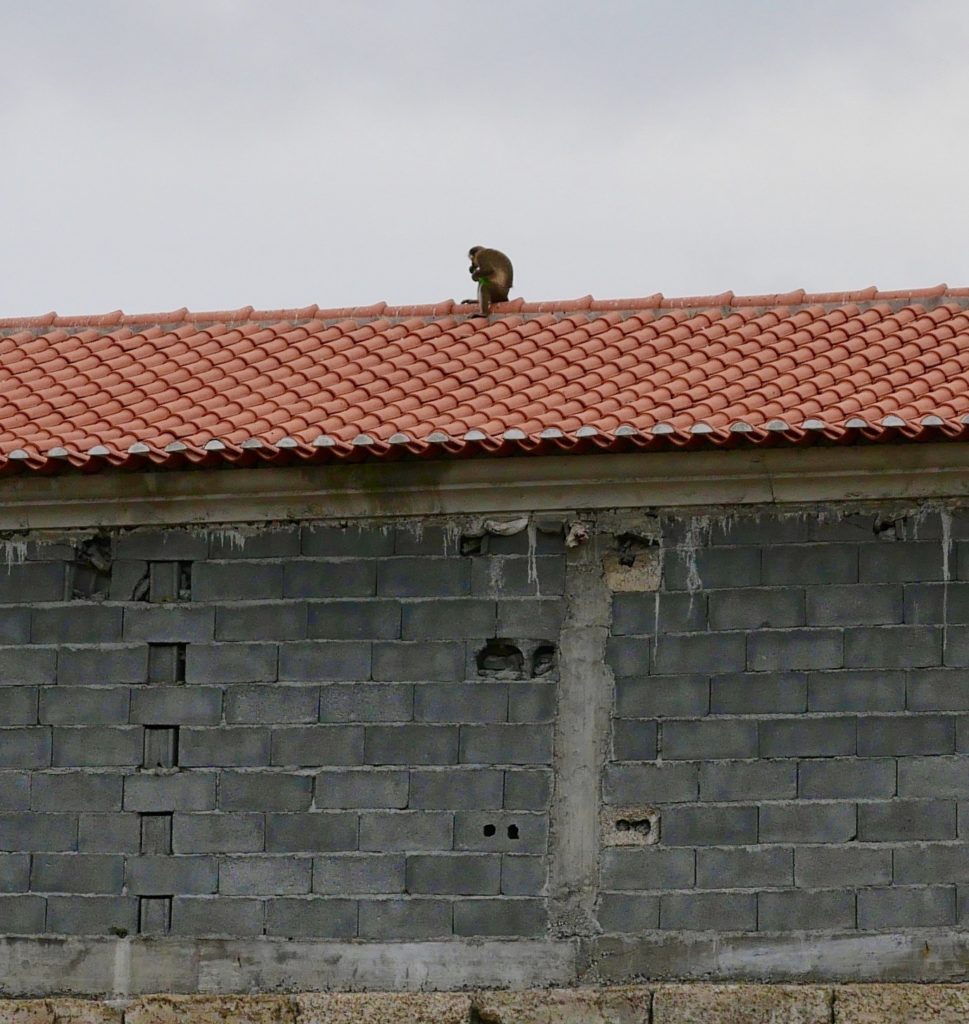
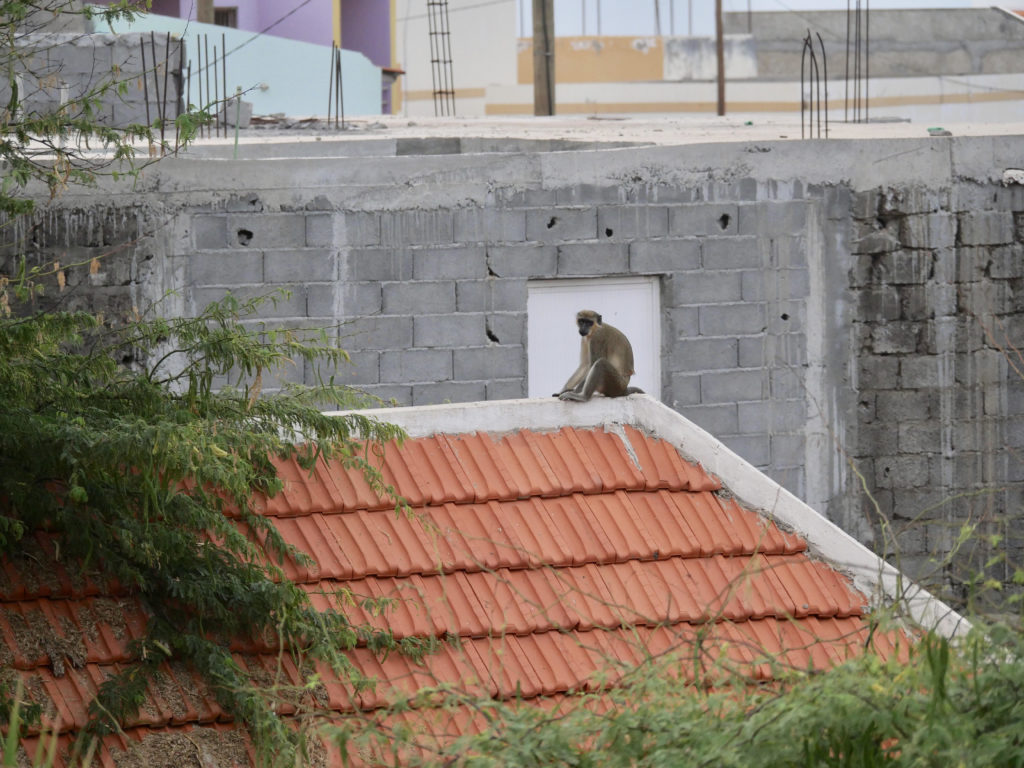
The green monkey is not yet considered endangered on the African continent. In 2020, the green monkey "Chlorocebus sabaeus" was classified by the IUCN on the Red List of Threatened Species as "Least Concern".
However, a declining trend in monkey populations is being observed across their natural geographical ranges (Burkina Faso, Côte d'Ivoire, The Gambia, Ghana, Guinea, Guinea-Bissau, Liberia, Mali, Mauritania, Senegal, Sierra Leone).
Ultimately, our goal is to achieve the capacity to shelter 50 monkeys.

Every month, the sanctuary receives numerous requests to take in adult monkeys that have been kept in captivity for years
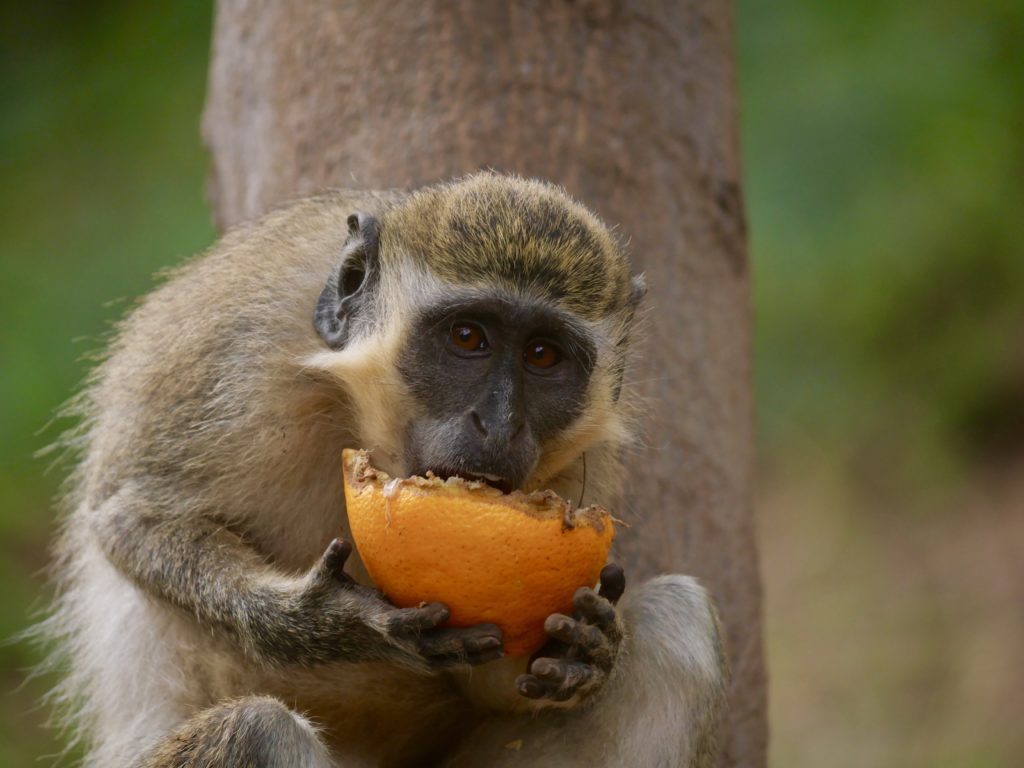
Every month, the sanctuary receives numerous requests to take in adult monkeys that have been kept in captivity for years
The requests to take in adult monkeys that have endured captivity for years are far higher than we anticipated.
Unfortunately, our shelter capacity is currently limited, as it requires multiple specialized enclosures to house monkeys of varying ages and differing behaviors.
Forming a harmonious troop of monkeys within the same enclosure, where each individual finds their place, is complex and takes time.
We also receive requests from people who must travel and need to leave their monkey in a suitable, safe place. These requests must be addressed urgently to prevent monkeys from being abandoned.
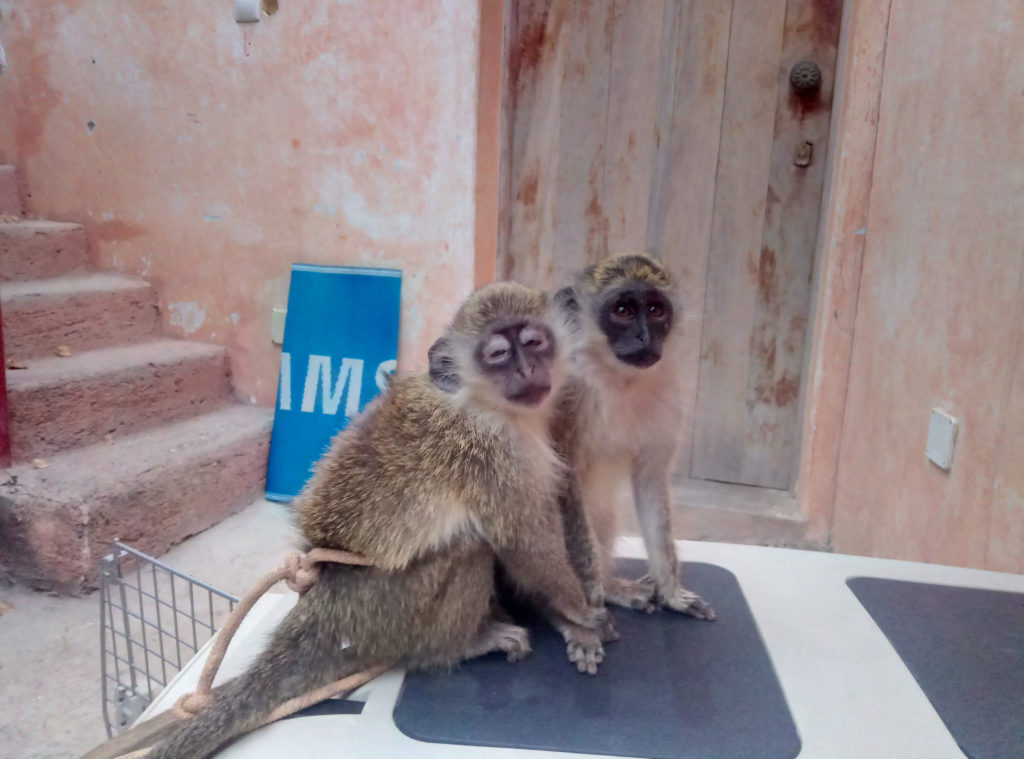
Baby monkeys rescued shortly after capture were terrified, frequently injured, and in desperate need of intensive care
Rescued baby monkeys are initially housed in a dedicated space away from the other monkeys to facilitate close monitoring and provide vital care.

Some of them had suffered severe injuries. After two to three weeks, the newcomers recover and their stress subsides; only then are they gradually introduced to the adult troops.
Contact cages are used for adult monkeys, but for baby monkeys—under the continuous observation of a dedicated caretaker—they are given free roam several days a week to foster their integration into the adult group.
The baby monkeys never stray far from the adult monkeys.
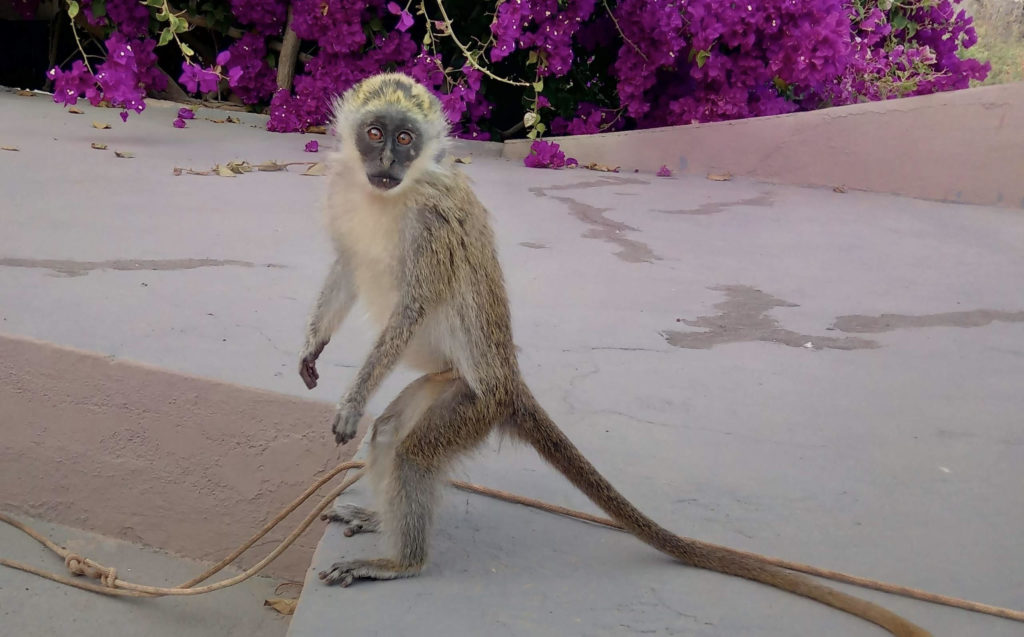

The Sanctuary
The sanctuary is also a vital hub for connection and education about monkeys, their role in ecosystems, and biodiversity conservation
The natural fascination people feel for monkeys opens a powerful doorway to meaningful dialogue about nature and the vital urgency of protecting biodiversity.
We have seen that during guided visits led by our animal care team, both children and adults are hungry to learn about monkeys, driven by one primary urge: to touch them. A first encounter with a monkey is an unforgettable milestone for an adult, and even more transformative for a child.
It is always a privileged opportunity to harness these precious moments to raise awareness for animal welfare and our shared responsibility toward them.
Visiting the sanctuary inspires both the local community and international visitors from around the globe, empowering them to take the message back to their home countries about Cape Verde's biodiversity and the critical challenges it faces.
FIGHTING ANIMAL CRUELTY
Our association is dedicated to playing an active, front-line role in the fight against monkey abuse

Throughout this year, we have carried out several targeted interventions—though still far too few—to combat monkey mistreatment, sparked by reports from concerned citizens, including foreign tourists.
Monkeys in Cape Verde suffer from a negative reputation, and a widespread lack of understanding about their vital role in our ecosystems only worsens their plight.
Our field observations reveal that a vast number of captive monkeys are enduring real suffering. Very few owners understand the complex biological needs of this species, yet by engaging directly with them, we have successfully convinced many to improve their monkeys' living conditions.
We generally recognize two forms of abuse: active abuse, committed intentionally and often involving acts of cruelty, and passive abuse, which stems from a lack of knowledge regarding the animal's biological needs or neglect by the owner while the animal is held in captivity.