THE SANTUARIO DOS MACACOS DE CABO VERDE ASSOCIATION
This is the only association dedicated to protecting monkeys in Cape Verde.
The association’s work goes far beyond protecting monkeys; we never hesitate to step in and assist other wild animals, whether born in the wild or in captivity, whenever they need us.

In order to meet the urgent need to safeguard Cape Verde’s monkeys, the non-profit association “Santuário dos Macacos de Cabo Verde” was founded in March 2021 in Cape Verde, with legal status: No. 194/2021, Official Gazette (Boletim Oficial) No. 47, March 16, 2021 (Tax ID / NIF No. 585639302).
The association was founded through the dedicated initiative of its current president, Gricha Lepointe, a French resident in Cape Verde, sociologist, specialist in development engineering, and passionate primate advocate for many years.
This is the only association primarily dedicated to the protection of monkeys in Cape Verde.
The association is active nationwide. Dynamic partnerships are fostered with universities, grassroots associations, NGOs, and international organizations working on the frontlines of wildlife and primate protection, as well as biodiversity preservation and climate action.
The association establishes its strategic goals and targets in an Action Plan (spanning 2–3 years), fully incorporating the recommendations of leading national and international bodies dedicated to preserving biodiversity and ecosystems—specifically guidelines and directives from organizations such as WWF, IPBES, IPCC, UN, ADB, and IUCN, with particular emphasis on the Kunming-Montreal Global Biodiversity Framework (Canada / Dec. 2022 / COP15) under the 1992 Convention on Biological Diversity.
Nationally, the association's initiatives align closely with the National Biodiversity Strategy and Action Plan 2014–2030 developed by Cape Verde's Ministry of Agriculture and Environment.
Mission
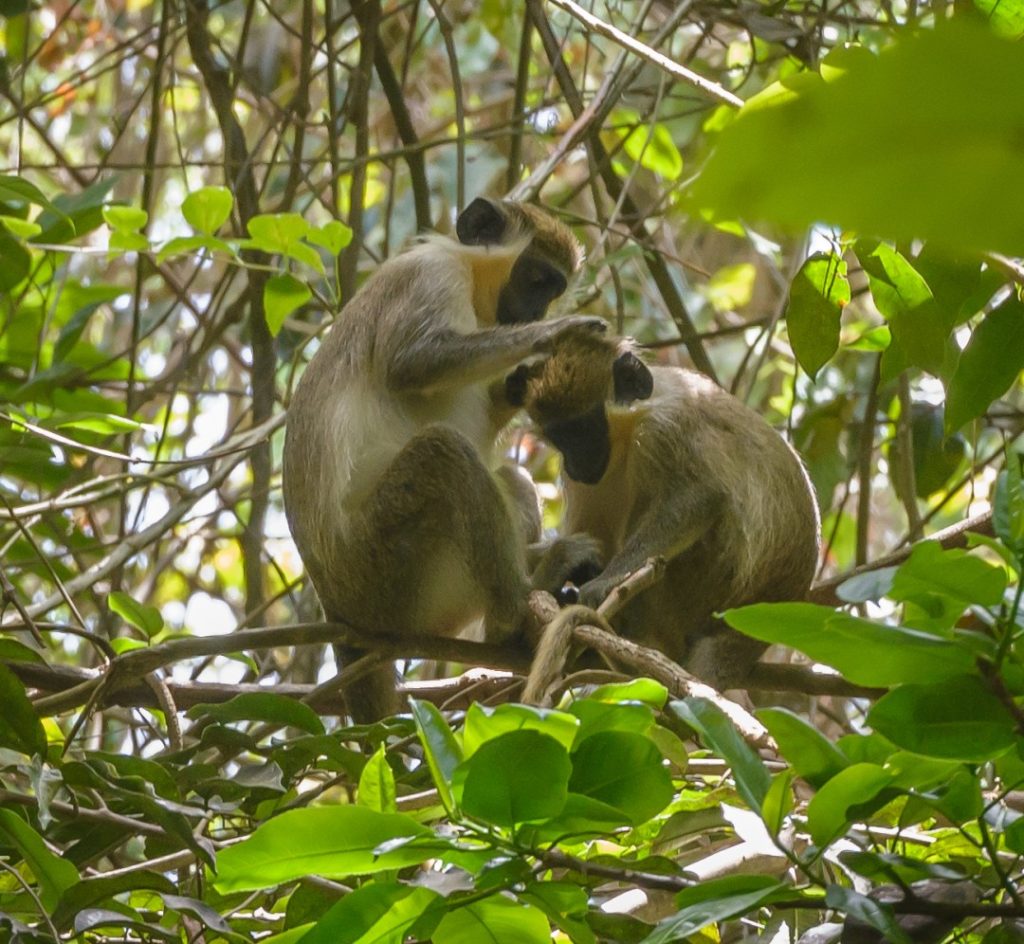
“Living in harmony with nature” is the founding vision driving our association.
Our mission is to unite human well-being with wildlife conservation, fiercely safeguarding biodiversity for future generations—our children and grandchildren.
The non-profit association “Santuário dos Macacos de Cabo Verde” is an organization wholeheartedly dedicated to protecting wild animals, whether born in captivity or the wild, with a vital focus on green monkeys.
Whenever called upon, our association stands ready to help any wild animal enduring suffering or facing life-threatening danger.
The association is driven to operate a Rehabilitation Center to provide immediate care and relief for monkeys and other wildlife, alongside a sanctuary (protected area/nature reserve) to reintroduce monkeys into a secure natural habitat backed by robust protective measures. Wherever possible, primate troops are returned to flourish in their native wild habitats.
The association is determined to lead the charge against the mistreatment of monkeys by exposing substantiated abuse and welcoming rescued monkeys into our Rehabilitation Center following decisions by relevant authorities or caretakers. We are committed to unyielding advocacy for the protection of green monkeys and to empowering national authorities to enact legislation that defends them.

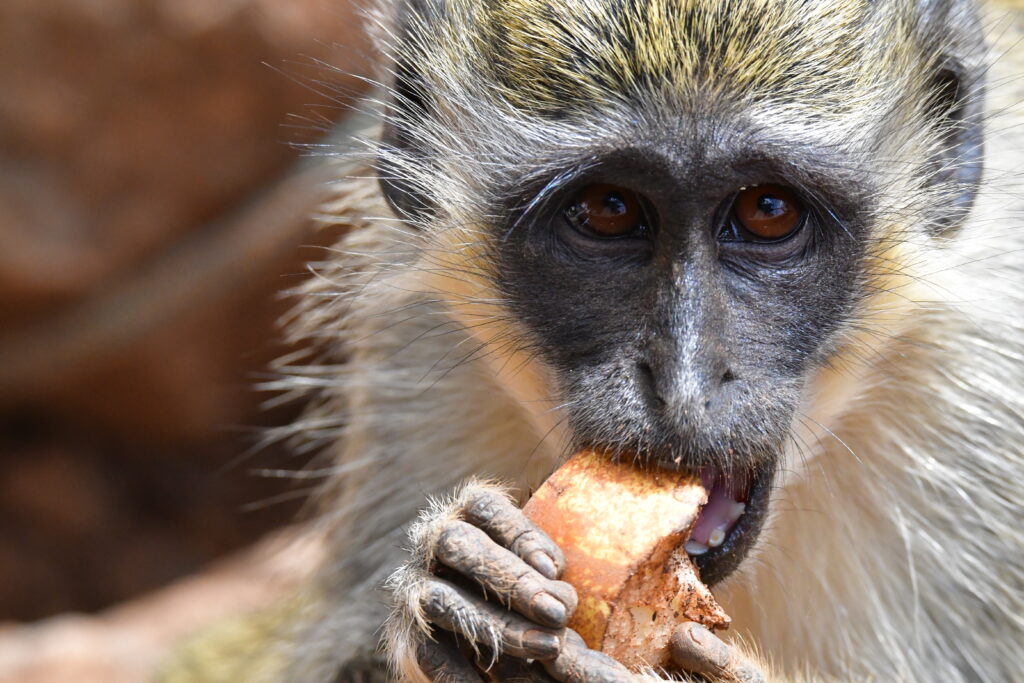
The association strives to be a transformative force for sustainable development in Cape Verde, seamlessly weaving the Sustainable Development Goals into its mission alongside directives from the UN Convention on Biological Diversity and partner global wildlife and conservation organizations (IUCN, WWF, UNEP, etc.).
Through impactful educational outreach, the association inspires communities to protect biodiversity and vital ecosystems, mobilizing grassroots action against climate change.
Championing an integrated approach, because taking a stand to protect monkeys means actively defending biodiversity and combating climate change. Working hand in hand with diverse partners, the association tackles crucial frontiers of wildlife preservation: safeguarding biodiversity, driving climate action, advancing sustainable forest management, and alleviating rural poverty.
Actions on the Ground
- Protecting monkeys in their wild forest habitats, in active solidarity with ministries, municipalities, farmers, and local communities.
- Preserving critical biodiversity and taking bold action against climate change.
- Delivering immediate emergency care, rescue, and safe, dignified shelter for monkeys and wild animals in need.
- Blowing the whistle on animal cruelty and mistreatment inflicted on captive monkeys and other wild animals.
- Humanely rescuing monkeys at the call of local communities, national authorities, or current owners.
- Releasing and reintegrating monkeys into protected sanctuary areas or their natural wild habitat wherever possible and safe.
- Conducting essential scientific research and field studies on Cape Verde's primates and vulnerable ecosystems.
- Leading powerful awareness campaigns for the public, national bodies, international organizations, schools, universities, and the private sector.
